Tantalum Products | Refractory Metal
Tantalum Rod
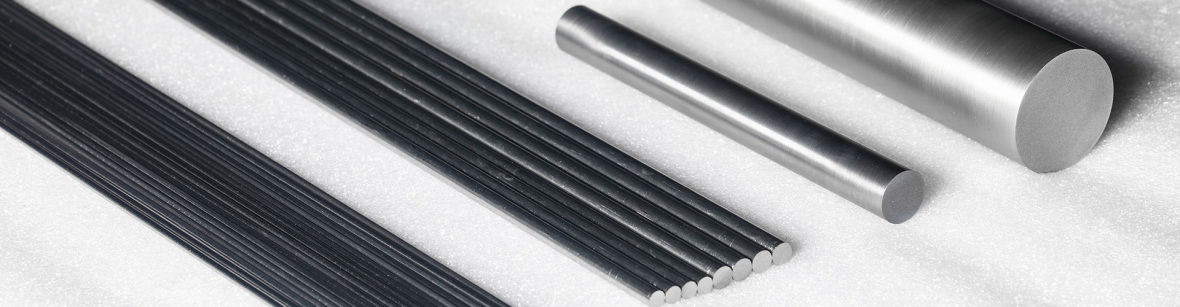
High-quality tantalum rod manufactured through vacuum arc melting and precision forging/rolling processes. Available in diameters from 1mm to 200mm in random lengths or cut-to-size. Our tantalum rods feature excellent mechanical properties, superior corrosion resistance, and outstanding high-temperature performance. Widely used for fasteners, electrodes, furnace components, chemical processing hardware, medical devices, and aerospace applications. All tantalum rods meet ASTM B365 specifications with full material certification.
✅ Customized-made is available
About Tantalum Rod
Our tantalum rods are produced from high-purity tantalum ingots through controlled forging and rolling processes that optimize grain structure and mechanical properties. Each rod undergoes comprehensive quality testing including chemical analysis, mechanical testing, ultrasonic inspection, and dimensional verification. Our tantalum rod products serve critical applications in chemical processing, aerospace, electronics, and medical industries worldwide.
Features
- Diameter range: 1mm - 200mm
- 99.95%+ purity tantalum
- Forged and rolled for optimal grain structure
- Excellent machinability
- High melting point: 3017°C
- Superior corrosion resistance
- ASTM B365 compliant
- Random or cut-to-length available
- Full material certification
- Custom diameters and tolerances
Specifications
| Material | Tantalum (Ta), UNS R05200 |
|---|---|
| Purity | ≥99.95% |
| Melting Point | 3017°C (5463°F) |
| Density | 16.6 g/cm³ |
| Diameter Range | 1mm - 200mm |
| Length | Random or cut-to-size |
| Standard | ASTM B365 |
| Surface Finish | Ground, polished, or as-forged |
| Tensile Strength | ≥310 MPa (annealed) |
| Hardness | ≤120 HV |
| Grain Size | Per ASTM E112 |
| Testing | Chemical, mechanical, UT |
How Tantalum Rod is Manufactured — Production Process
Our tantalum rods are produced through a carefully controlled forging, rolling, and drawing process that achieves precise dimensional tolerances, excellent surface quality, and consistent mechanical properties. The manufacturing process is designed to optimize the grain structure for maximum strength and ductility in the final product.
Production begins with vacuum arc melted or electron beam melted tantalum ingots that are forged at temperatures above 1200°C to break down the cast structure and develop a fine, uniform wrought grain structure. The forged billets are then rotary swaged or rolled through multiple passes at progressively lower temperatures, reducing the cross-section to the target diameter. Intermediate vacuum annealing treatments at 800–1100°C relieve work hardening and restore the material's ductility for subsequent processing.
For smaller diameter rods, the material undergoes cold drawing through precision dies, achieving tighter dimensional tolerances and improved surface finish. Each rod is straightened, centerless ground to final dimensions, and undergoes ultrasonic inspection, dimensional verification, and chemical analysis. Mechanical testing (tensile, hardness, elongation) certifies compliance with ASTM B365 standards.
Applications of Tantalum Rod
Tantalum rod products serve critical functions across multiple industries requiring high-performance materials:
Chemical Processing Fasteners
Tantalum rod is machined into bolts, nuts, screws, and other fasteners for chemical processing equipment. These fasteners provide the same corrosion resistance as tantalum-lined vessels, ensuring that fastener points do not become weak links in corrosive environments. Tantalum fasteners are standard in acid production and pharmaceutical manufacturing.
Electrodes and Anodes
Tantalum rods serve as electrode materials in electrochemical processes including electrolysis, electroplating, and cathodic protection systems. Their excellent conductivity and corrosion resistance in acidic electrolytes make them ideal for long-life electrode applications in copper refining, chlorine production, and water treatment.
Furnace Components
High-purity tantalum rods are used as heating elements, support structures, and fixtures in vacuum furnaces and high-temperature processing equipment. The material's stability at temperatures up to 2000°C in vacuum environments ensures reliable operation in sintering, annealing, and crystal growth processes.
Medical Device Components
Tantalum rod stock is machined into surgical implants, radiographic markers, and medical device components. The material's biocompatibility, radiopacity, and corrosion resistance make it valuable for orthopedic implants, dental prosthetics, and minimally invasive surgical instruments.
Semiconductor Equipment
In semiconductor manufacturing, tantalum rods are used as sputtering target blanks, chamber components, and wafer processing fixtures. The material's purity and resistance to plasma erosion ensure consistent process results and long component life in etching and deposition chambers.
Frequently Asked Questions about Tantalum Rod
Q: What diameters of tantalum rod are available?
A: We supply tantalum rod from 1mm to 200mm diameter. Standard sizes include 3mm, 5mm, 6mm, 8mm, 10mm, 12mm, 15mm, 20mm, 25mm, 30mm, 40mm, 50mm, and larger. Custom diameters are available.
Q: What is the difference between R05200 and R05400 tantalum?
A: R05200 is electron beam refined tantalum with higher purity, while R05400 is powder metallurgy tantalum. Both have ≥99.95% Ta content but differ in manufacturing process. R05200 is preferred for electronic applications.
Q: Can tantalum rod be machined easily?
A: Tantalum is relatively soft and ductile, making it machinable with standard equipment. However, it tends to work-harden and gall. We recommend sharp tools, slow speeds, and generous coolant. We also offer pre-machined parts.
Q: What industries use tantalum rod?
A: Tantalum rod is used in chemical processing (fasteners, electrodes), aerospace (engine components), electronics (capacitor wire), medical (surgical tools, implants), and furnace construction (heating elements, supports).
Q: Do you provide cut-to-length tantalum rod?
A: Yes, we cut tantalum rod to your specified lengths with precision sawing or abrasive cutting. Standard tolerances are ±0.5mm for length and ±0.05mm for diameter on ground rods.